
Spectrasonics Trilian: The Definitive Virtual Bass Instrument for Music Producers
Trilian by Spectrasonics covers electric bass, acoustic upright, and synth bass within a single plugin, recorded through vintage studio gear. Here is why it remains the professional standard for virtual bass.
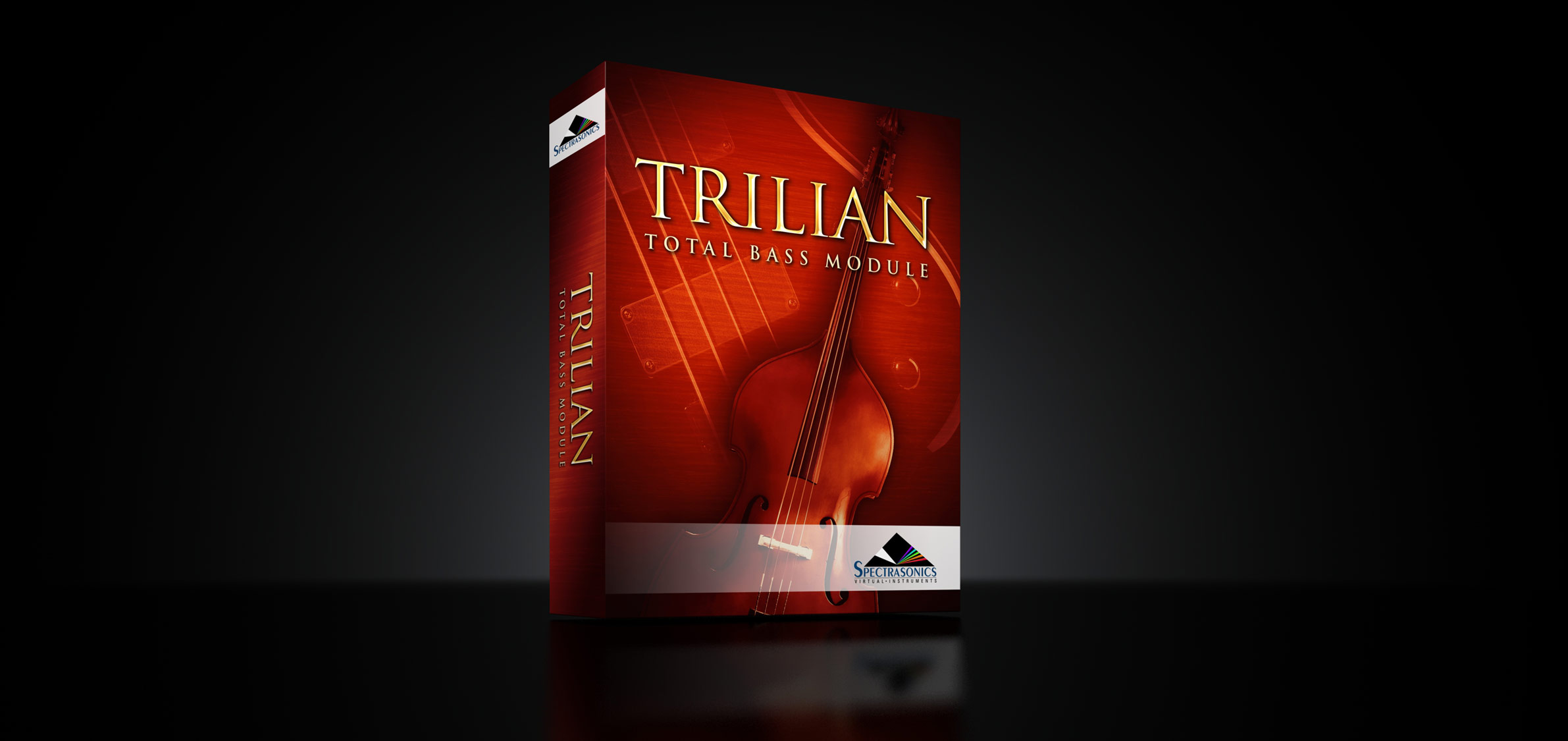
Trilian by Spectrasonics is the instrument producers reach for when the bass part has to be correct the first time. Where most virtual bass plugins cover one style or one category of instrument, Trilian spans electric bass, acoustic upright bass, and synth bass within a single plugin, each category developed to a level of detail that makes comparison with purpose-built alternatives difficult to sustain.
Every instrument in the collection was recorded through vintage studio outboard gear: classic DI boxes, tube preamps, and analog signal chains that impart a harmonic texture no modern clean-capture approach can replicate. The result is a bass library whose notes carry weight and presence in a mix from the first take, without the post-processing work that lighter bass plugins typically require.
Electric Bass, Acoustic Upright, and Synth Bass: Three Categories at Professional Depth
The electric bass section is built around instruments that define the recorded sound of bass, captured in multiple playing styles. Each note is represented across multiple round-robin sample variations, so repeated playing produces the natural inconsistency of a human bassist rather than the mechanical repetition that immediately identifies a sample library.
The acoustic upright bass section captures both pizzicato and bowed articulations across the full dynamic range. Bow pressure variation is preserved across multiple velocity layers, meaning the difference between a quietly bowed note and a full fortissimo stroke is present in the samples rather than approximated through volume scaling. This level of articulation detail makes Trilian genuinely useful for jazz, classical, and cinematic bass lines.
The synth bass section contains hundreds of patches drawing on the character of classic hardware synthesizers. These are not approximations built with wavetable oscillators but sample-based reconstructions of specific hardware units, recorded with the same care applied to the acoustic and electric bass instruments.
- Fender Precision Bass, Fender Jazz Bass, and Music Man StingRay — fingered, picked, slapped, and tapped articulations
- Acoustic upright bass — pizzicato and bowed, multiple velocity layers with bow pressure variation
- Roland TB-303, Moog Minimoog, and a wide range of analog and digital synthesizers from the 1970s through the 1990s
The STEAM Engine, Latch Mode, and Vintage Recording Quality
Trilian runs on the Spectrasonics STEAM engine, the same audio infrastructure that powers Omnisphere and Keyscape. STEAM provides the signal routing, effects processing, modulation matrix, and arpeggiator that operate behind the instrument, giving Trilian the same internal architecture as a flagship synthesizer rather than the minimal playback engine found in most rompler instruments. The onboard effects chain includes vintage EQ, compression, and cabinet simulation tuned specifically for bass frequencies.
The recording sessions used vintage outboard gear at each stage of the signal chain. The organic character this introduces is present on every note: the way electric bass strings lose their attack transient when pushed through a tube preamp, the air around an upright bass captured with a condenser at room distance, and the subtle harmonic saturation that makes synthesizer bass feel physical rather than synthetic. These qualities are baked into the samples and cannot be replicated by applying plugins after the fact.
Trilian with Omnisphere: Integration and Who Needs It
Trilian and Omnisphere are designed to work together. Within Omnisphere, you can load a Trilian patch directly in the Omnisphere interface, placing an acoustic upright bass layer from Trilian on the same MIDI channel as a sub-bass pad or textural synth layer from Omnisphere. This removes the need for separate track routing in your DAW and allows the two instruments to share Omnisphere's modulation matrix, so the synth layer can respond to the dynamics of the Trilian bass in real time.
Trilian is the right choice for producers who work across multiple genres and need bass sounds that are immediately convincing without extensive editing. A simpler bass plugin is sufficient when bass is a minor element, when the genre requires heavily processed or distorted bass where source quality matters less, or when budget and disk space are hard constraints.
- Session composers scoring to picture who need credible acoustic upright or electric bass on demand
- Pop and R&B producers who alternate between electric bass and synth bass in the same session
- Jazz or cinematic producers where upright bass technique and articulation are audibly critical
- Omnisphere owners who want bass as a seamless layer within the same modulation matrix
Frequently asked questions
What does Latch mode do in Trilian and when should I use it?
Latch mode sustains any held note indefinitely after you release the key, keeping it ringing until you play a new note or disable Latch. It is most useful when recording a sustained bass root note by yourself: hold the note, engage Latch, then use both hands to play a melody, edit automation, or trigger other parts without the bass cutting out. It is also effective for live performance where holding a long bass note while playing a keyboard part on another channel would otherwise require two players.
How does Trilian integrate with Omnisphere?
Trilian patches load directly inside the Omnisphere interface, placing a Trilian bass sound on one of Omnisphere's layers. Both instruments then share the same MIDI input, the same modulation matrix, and the same effects chain. You can layer an electric bass from Trilian with a synth texture from Omnisphere, route the combined output to a single channel in your DAW, and use Omnisphere's LFOs and envelopes to modulate both layers simultaneously. The integration requires both plugins installed on the same system.
Is Trilian worth buying if I already have a basic bass plugin?
It depends on how central bass is to your productions. If you produce genres where bass is the foundation of the arrangement — R&B, jazz, soul, cinematic scoring, or any style where a live bassist would normally be hired — Trilian's sample depth and recording quality produce results that a basic bass plugin cannot match in a demanding mix. If bass is a supporting element and you process it heavily with distortion, saturation, or sidechain compression, the quality difference is less audible and a simpler plugin may be sufficient.
Recommended Related Products
Spectrasonics Trilian
Complete bass solution with elite acoustic, electric, and synth basses.