
Omnisphere 2: The Synthesizer Used on Almost Every Film Score and Pop Record
Omnisphere 2 by Spectrasonics combines wavetable, granular, FM, and sample-based synthesis in one instrument. Here is why it appears on film scores, pop records, and TV soundtracks worldwide.
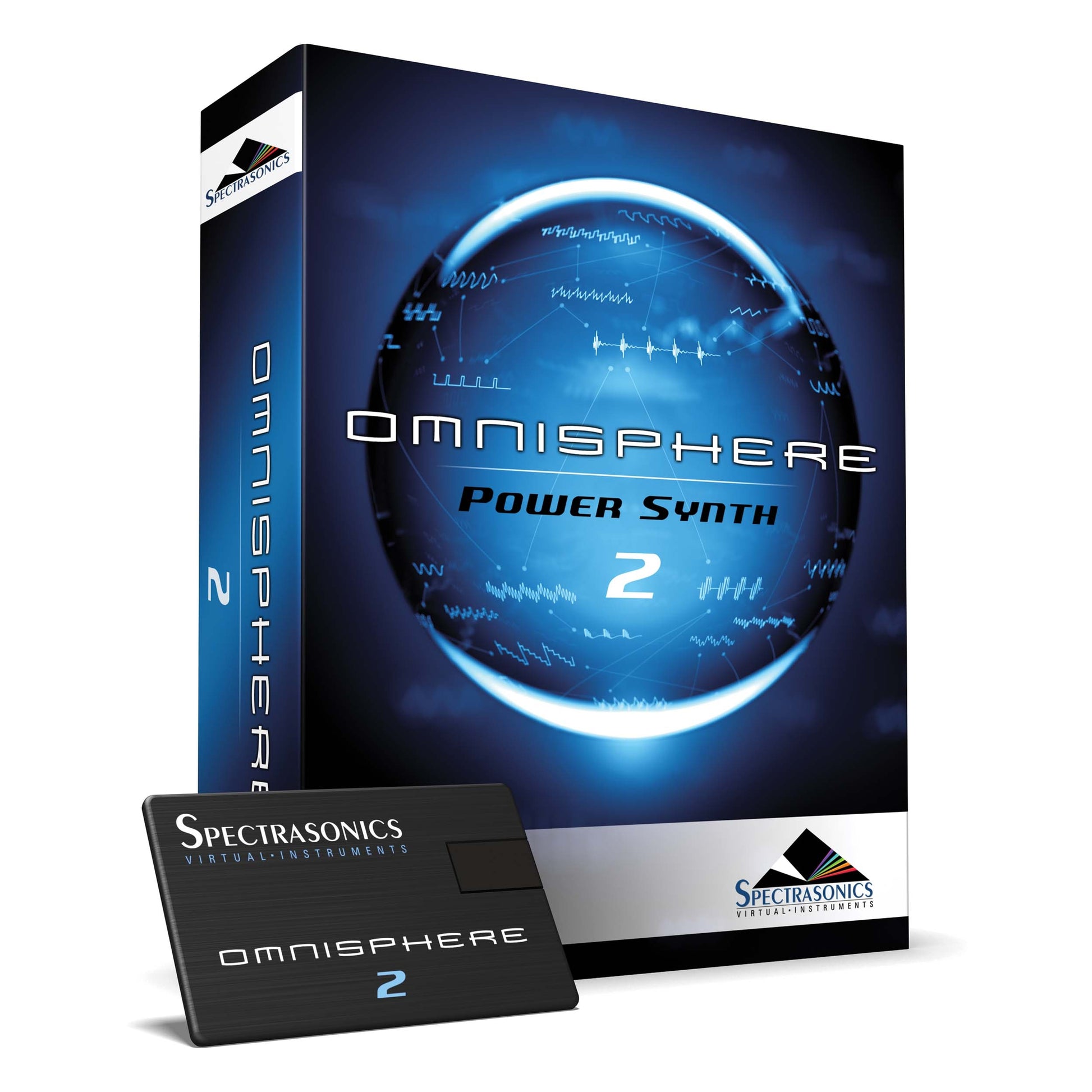
Omnisphere 2 by Spectrasonics occupies a category of its own in the synthesizer market. While most instruments are built around a single synthesis method, Omnisphere 2 combines wavetable, granular, FM, ring modulation, and sample-based playback within one plugin.
Film composers, pop producers, and electronic artists rely on it not for one specific sound but because it can produce almost anything: orchestral pads, aggressive FM leads, ethereal granular textures, and everything in between. Its 64GB Steam library ships with over 14,000 patches, each one a starting point for further customization.
Understanding how Omnisphere is structured and how to navigate its library efficiently is what separates producers who use a handful of presets from those who unlock the full depth of the instrument.
A Hybrid Synthesis Engine Unlike Any Other
Each Omnisphere patch can contain two independent synthesis layers called Layer A and Layer B. Each layer has its own engine, so one layer can run granular processing while the other uses wavetable oscillators, and the two blend into a single cohesive sound. This layering architecture is the core reason Omnisphere patches feel so complex and rich compared to single-engine instruments.
The available synthesis modes include wavetable, granular, FM, ring modulation, Harmonia, and classic sample playback. Switching modes per layer takes one click, and the modulation matrix connects envelopes, LFOs, step sequencers, and arpeggiators to almost any parameter in the signal chain.
Omnisphere also allows you to import any audio file as a custom oscillator source. A vocal recording, a drum transient, or a field recording becomes the raw material for synthesis through granular stretching or wavetable scanning. This capability alone sets it apart from every other mainstream synthesizer on the market.
- Two independent synthesis layers per patch (
Layer AandLayer B), each with its own engine type. - Synthesis modes: wavetable, granular, FM, ring modulation, Harmonia, sample playback.
- Full modulation matrix with LFOs, envelopes, step sequencers, and arpeggiators.
- Custom audio import: use any audio file as an oscillator source.
Navigating the 14,000-Sound Steam Library
The integrated browser is the fastest way into the library. You can filter by category such as Synth Leads, Pads, Arpeggiated, Bass, FX, and Atmospheres, by mood keyword, by genre, and by artist sound sets contributed by composers and producers who have used Omnisphere on major projects.
When you find a patch worth keeping, inspect both layers to understand the patch structure, then customize and save to your User folder.
- Open both
Layer AandLayer Bpanels to inspect what each engine is doing. - Swap the oscillator type (e.g., granular to wavetable) or adjust the
filter cutoffmodulation depth to reshape the sound. - Audition the result — the harmonic character of the original patch is preserved while the texture changes.
- Save your modified patch to a User folder in the browser to keep customized sounds organized and separate from the factory library.
Hardware Synth Integration, Orb, and Psychoacoustic Processing
Hardware Synth Integration, introduced in Omnisphere 2.8, is one of the most distinctive features in any software instrument. With a supported hardware synthesizer connected over USB or MIDI, Omnisphere detects the model automatically and maps its physical knobs and controls to matching parameters inside the plugin. You can then browse and play all 14,000 Omnisphere patches directly from your hardware unit, giving the software instrument the tactile feel of a physical keyboard.
The Orb is a circular performance controller unique to Omnisphere. Dragging the cursor around the Orb's center point modulates multiple parameters simultaneously in patterns that feel musical rather than mechanical. It is particularly effective for live performance and for creating evolving pad textures that shift over time without manual automation.
Omnisphere's psychoacoustic processing includes the Innerspace and Harmonia modules. These apply spatial and harmonic effects tuned specifically to the instrument's output, interacting with the synthesis itself in ways a standard reverb or chorus plugin cannot replicate. Innerspace in particular creates depth cues that make sounds feel physically present in a room rather than simply wet with reverb.
Omnisphere vs. Serum, Nexus: When to Use Each
Serum by Xfer Records is a single-engine wavetable synthesizer with an outstanding wavetable editor and precise visual feedback. It excels at contemporary EDM leads, aggressive basses, and plucks where you need exact control over spectral content — the industry standard for that range of sounds.
Nexus by reFX is a rompler focused on polished preset playback. It sounds professional immediately and is extremely fast to use, but offers limited room for deep sound design.
Omnisphere occupies the space where orchestral sound design meets modern synthesis. It is not the fastest tool for a tight EDM lead or a quick pop preset, but it is unmatched for layered cinematic atmospheres, evolving textural pads, and hybrid sounds that blend acoustic and electronic character. For producers who need one instrument that can handle anything from film score backgrounds to punishing bass patches, Omnisphere 2 is the answer.
Frequently asked questions
How does Omnisphere 2 differ from a wavetable synth like Serum?
Omnisphere 2 includes wavetable synthesis as one of several engines alongside granular, FM, and ring modulation, while Serum is a single-engine wavetable synth optimized for precise spectral editing. Omnisphere's strength is breadth: layering multiple synthesis types within one patch and a 14,000-sound library. Serum's strength is depth: a powerful wavetable editor built specifically for EDM production workflows.
What hardware synthesizers work with Hardware Synth Integration?
Spectrasonics maintains an official compatibility list on their website covering models from Roland, Moog, Korg, Sequential, and Arturia. When a supported synth is connected over USB or MIDI, Omnisphere automatically detects the model and maps its physical controls to matching parameters inside the plugin.
Does Omnisphere 2 require a permanent internet connection to run?
No — internet is required only during initial installation and license activation via the Steam authorization system. After that, the plugin runs fully offline. The entire 64GB Steam library is stored locally, so playback and sound browsing have no network dependency.
Recommended Related Products
Spectrasonics Omnisphere 2.8
Flagship hybrid synthesizer featuring powerful sound design tools.